

Breaemeyer Residence
Working with Luis
Luis is a registered architect serving Bucks County and nearby communities. With more than 30 years of construction industry experience, he brings practical expertise and unmatched understanding of the design and building process.
He takes a thoughtful, client-focused approach to design, helping each client realize their vision rather than imposing a style of his own. Whether the project is simple and cost-effective or more ambitious and custom, Luis provides sensible guidance and real-world advice with his clients’ best interests in mind.
every project deserves the highest standard of care
Additions
Planning an addition requires more than extra square footage—it needs to fit your home, support how you live, and move smoothly through permitting and construction.
Decks and Porches
A well-designed deck or porch can add usable outdoor space, improve how your home functions, and enhance the overall property. From open decks to covered porches, thoughtful planning and well-prepared drawings can help support a smoother permitting and construction process.
Kitchens and Baths
Kitchen and bath projects can have a major impact on how a home looks, feels, and functions. Careful planning and clear documentation help align design intent, construction needs, and permitting requirements so the project can move forward more smoothly.
⊕
Blog
Insights to help you build better.
-
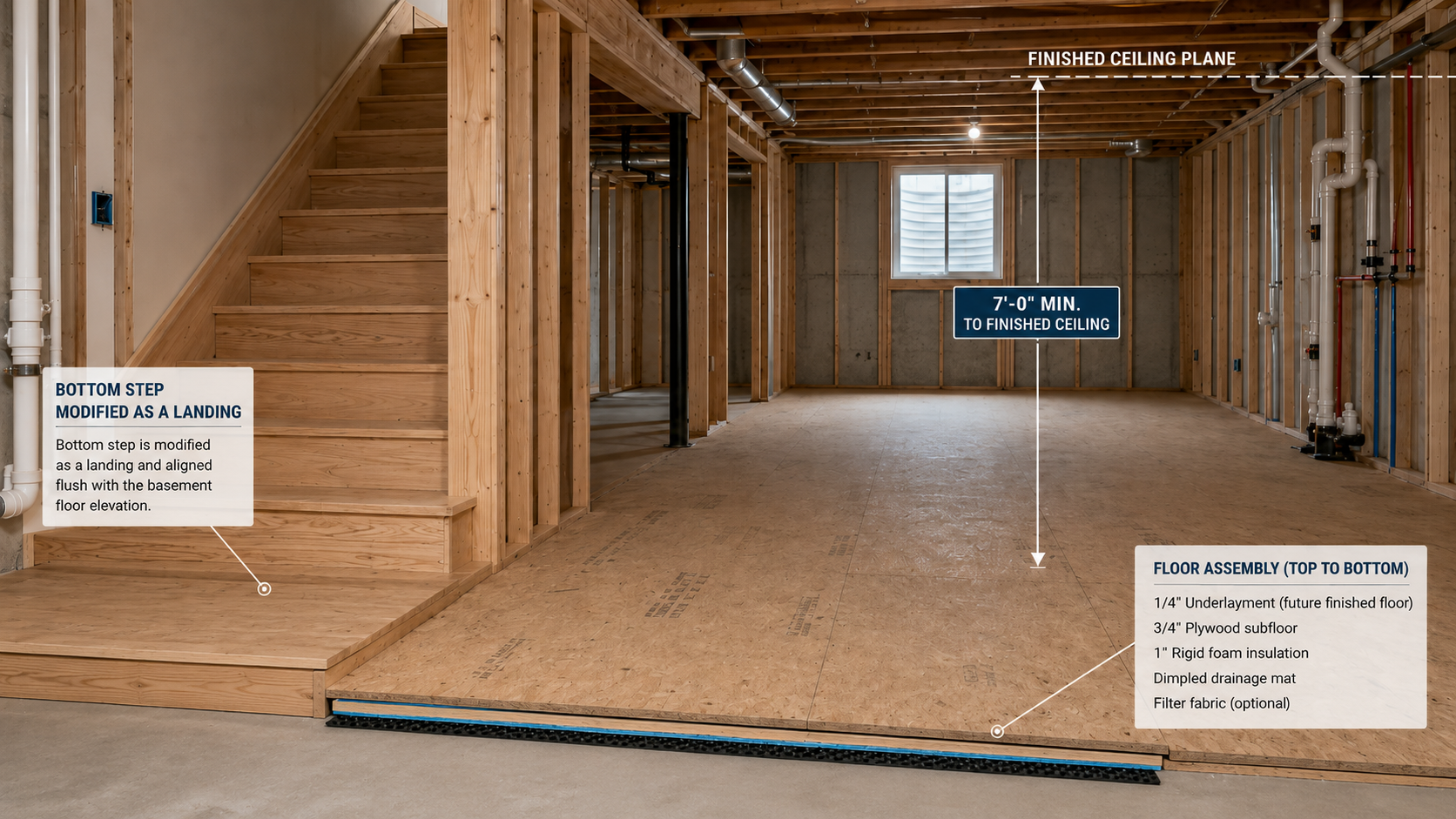
Best Practice: Basement Floor Height Can Make or Break a Remodel
Before committing to the floor assembly, measure the existing basement height in several locations.
-
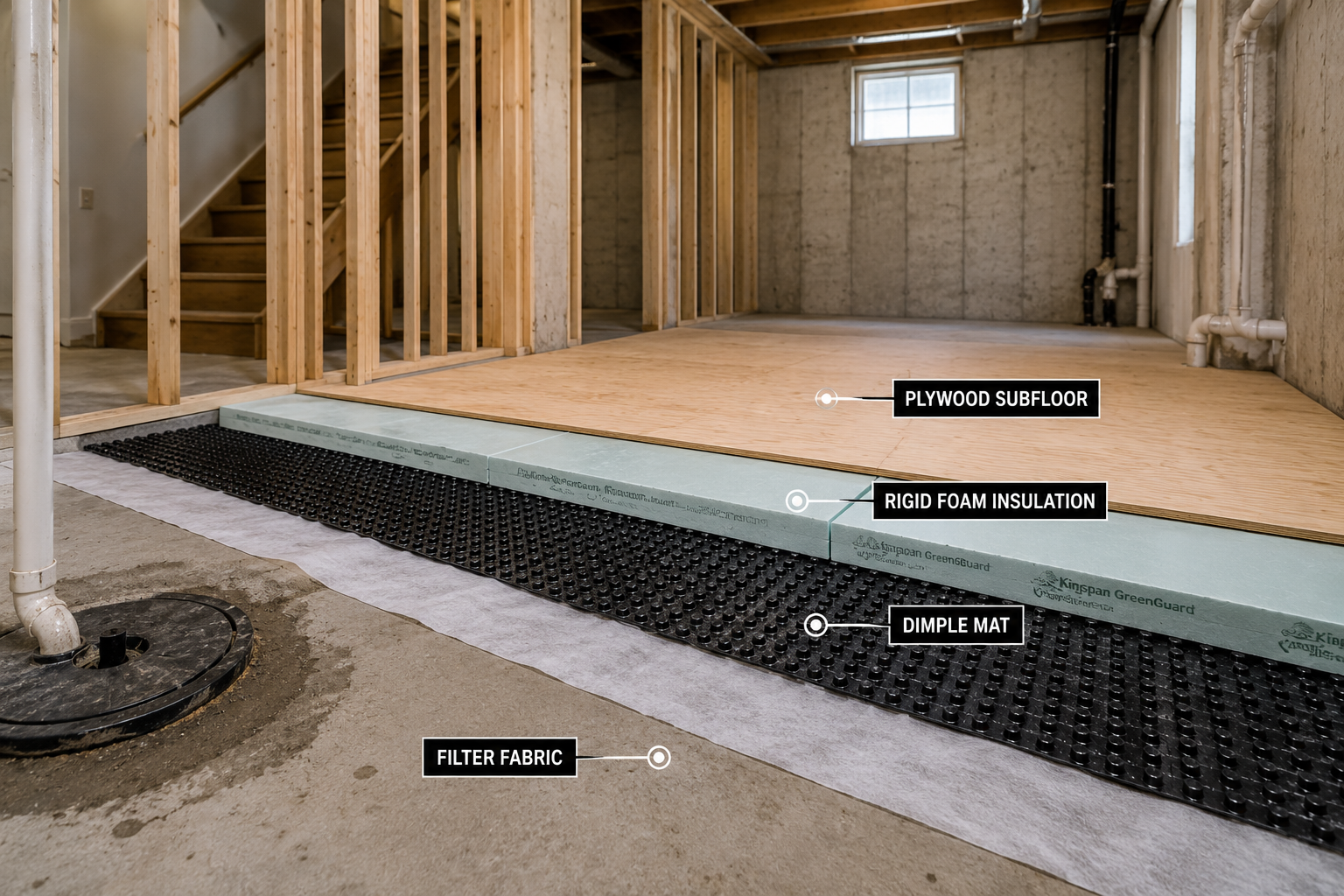
Best Practice: Basement Floors Need Moisture Protection Before Finished Flooring
Basements are below grade. That means they have a different relationship with water than the rooms upstairs.
-
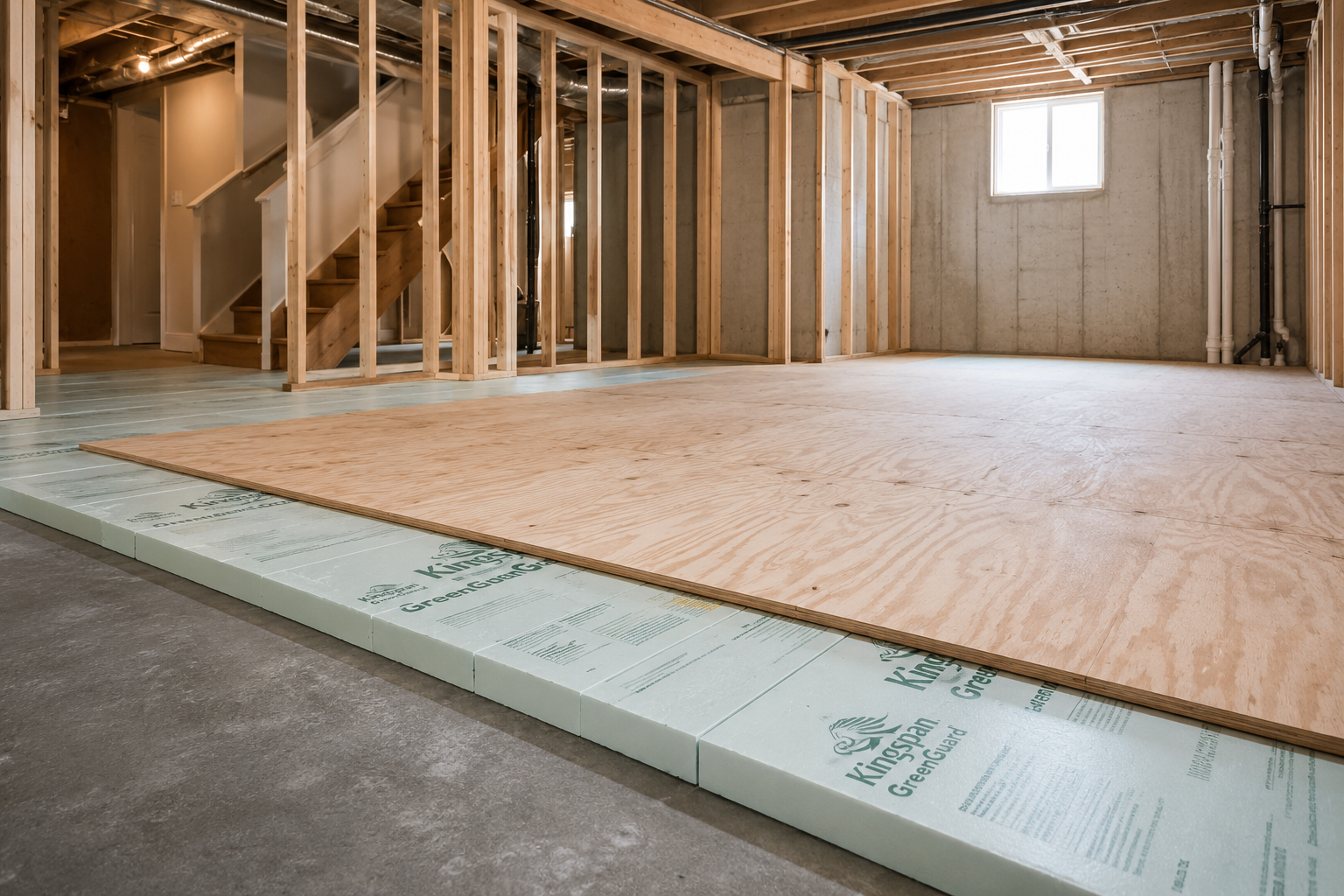
Best Practice: Basement Floor Assemblies Start With Insulation
A finished basement can still feel cold even after the walls are framed, the lights are installed, and the room is painted.
-
Commentary: Why I Reformatted This Website to Focus on Residential Architecture
Luis Gile explains why he reformatted luisgile.com to focus on residential architecture services, homeowner guidance, and practical blog content for renovations, repairs, and additions.